
How to Avoid Common Custom Closet Design Mistakes
If you’ve been thinking about upgrading to a custom closet, you probably want to get it right the first time. A well-designed custom closet should simplify your routine and bring a sense of order to your day, but that only happens when it’s planned carefully. I’ve seen how small design oversights can turn an exciting upgrade into a daily frustration, and it happens more often than you might think.
Many homeowners invest in a beautiful closet, only to realize later that it doesn’t function the way they hoped. In most cases, the problem isn’t the size of the space or the materials that were chosen, but the planning details that were overlooked early on. With a clear strategy and thoughtful design choices, those frustrations can be avoided, and your custom closet can truly support your daily routine.
To help you design a custom closet that truly works for your life, here are the key steps you can take to avoid common design mistakes:
- Start by measuring and evaluating your wardrobe
- Plan your layout before choosing finishes
- Maximize vertical and hidden space
- Design for accessibility and daily use
- Incorporate proper lighting from the start
- Choose the right depth and dimensions
- Plan for ventilation and material durability
- Build in flexibility
- Work with a professional designer
Keep reading for practical guidance you can use to make confident design decisions and create a custom closet that feels both functional and thoughtfully planned.
Start by Measuring and Evaluating Your Wardrobe
One of the most common mistakes in a custom closet project is designing the space without fully evaluating what needs to be stored. Before making any layout decisions, take time to assess your wardrobe carefully. Letting your clothing and accessories guide the design ensures your custom closet reflects your real habits instead of assumptions.
As you evaluate your clothing and accessories, focus on the following:
- Count Long and Short Hanging Items: Separate dresses and coats from shirts and jackets so you can plan rod placement accurately. This prevents overcrowding and ensures each section has the right amount of space.
- Measure Garment Lengths: Take measurements of your longest pieces to confirm proper vertical clearance. Doing this helps you avoid rods that are installed too high or too low.
- Estimate Shoe and Accessory Storage Needs: Count shoes, handbags, and smaller accessories before allocating shelving or drawers. Planning for these categories early keeps them from becoming clutter later.
Thinking ahead is just as important as assessing what you own now. If your wardrobe grows or your lifestyle changes, a well-planned custom closet will be ready to adapt. This early preparation helps you avoid costly adjustments down the road.
Plan Your Layout Before Choosing Finishes
Another frequent mistake is choosing colors, hardware, and decorative features before finalizing the layout. While finishes are exciting, the structure of your custom closet should always come first. When storage zones are clearly defined for hanging, folding, shoes, and accessories, the entire space functions more smoothly.
Consider how you move through your daily routine and position items accordingly. Frequently used pieces should be within easy reach, while occasional items can be stored higher or lower depending on the space. Once the layout works well, selecting finishes becomes the enjoyable final step rather than a distraction from functionality.
Maximize Vertical and Hidden Space
Unused vertical space is one of the most common missed opportunities in a custom closet. Many closets stop short of the ceiling, leaving valuable storage potential untouched. When every inch is used intentionally, the space feels more efficient and thoughtfully designed.
To make the most of your space, consider incorporating the following:
- Double-Hanging Rods: Installing two rods in sections where appropriate instantly increases hanging capacity. This works especially well for shirts, blouses, and folded-over pants.
- Floor-to-Ceiling Shelving: Extending shelving upward creates valuable storage for items you don’t need daily. Higher shelves are ideal for seasonal bins or keepsake boxes.
- Pull-Out and Corner Organizers: Integrated pull-outs and corner solutions help eliminate awkward, unused areas. These features make it easier to access items that might otherwise get pushed to the back.
Designing upward and inward allows your custom closet to feel larger without expanding its footprint. Small adjustments in layout can make a noticeable difference in overall functionality. Thoughtful space planning ensures nothing is left underutilized.
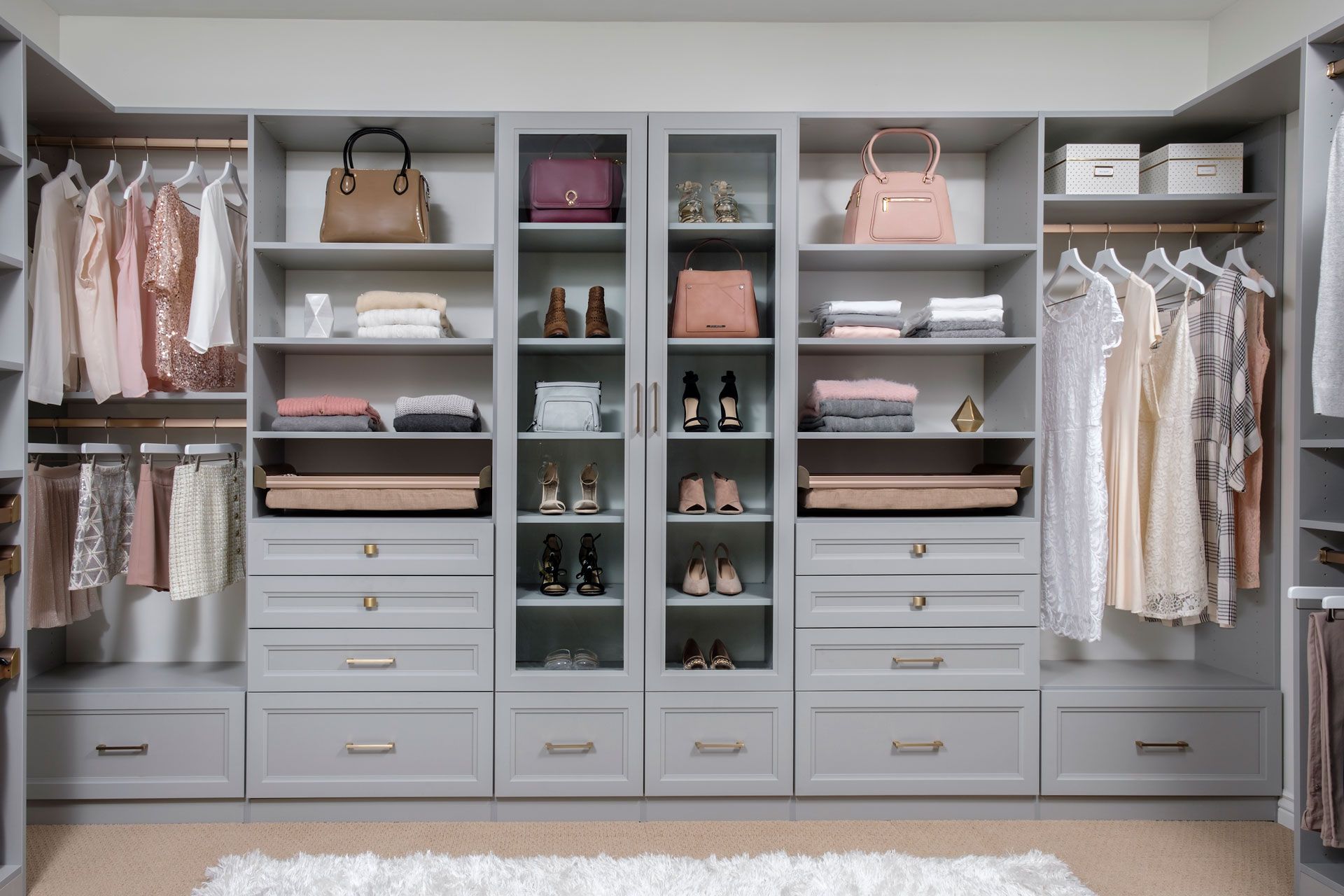
Design for Accessibility and Daily Use
A common design mistake is focusing on storage capacity without considering daily usability. A custom closet should support your routine rather than complicate it. Items you wear regularly should be positioned at eye level or within comfortable reach.
Drawer placement and walking space also deserve careful attention. Proper clearance ensures doors and drawers open smoothly without crowding the area. When accessibility is prioritized, your closet feels intuitive and easy to use every day.
Incorporate Proper Lighting From the Start
Treating lighting as an afterthought is another mistake that can limit the functionality of a custom closet. Without proper illumination, even a well-organized space can feel dim and difficult to use. Planning lighting early ensures both functionality and visual appeal.
Effective closet lighting may include the following:
- Overhead Ambient Lighting: A central fixture provides overall brightness for the entire space. It establishes a strong foundation of light that supports additional layers.
- Led Strip Lighting Under Shelves: Strip lighting brightens darker areas and highlights clothing and accessories. It also adds a subtle and polished touch to the overall design.
- Motion-Sensor Lighting: Motion-activated fixtures offer convenience and energy efficiency. They ensure your closet lights up automatically when you enter.
Layered lighting makes everyday tasks easier and more enjoyable. When lighting is thoughtfully integrated, your custom closet feels complete rather than unfinished. Proper planning helps you avoid costly retrofits later.
Choose the Right Depth and Dimensions
Overlooking proper measurements is a mistake that can affect how well your custom closet functions. Shelves that are too deep may cause folded items to disappear in the back, while shallow drawers may not accommodate bulkier pieces. Matching dimensions to what you plan to store prevents wasted space and frustration.
Hanging sections should also provide adequate depth so clothing doesn’t press against doors or walls. Taking the time to confirm measurements carefully protects both the appearance and usability of the final design. Thoughtful sizing ensures your closet works as beautifully as it looks.
Plan for Ventilation and Material Durability
Ignoring airflow and material quality is a mistake that can shorten the lifespan of your custom closet. Proper ventilation helps prevent moisture buildup and keeps clothing fresh. Being mindful of vents and enclosed areas protects both your garments and the cabinetry.
Material selection plays an equally important role. Choosing durable, easy-to-clean finishes helps your closet maintain its appearance through everyday use. When function and durability work together, the result is a space that feels both refined and reliable.
Build in Flexibility
Designing a closet that cannot adapt over time is another common oversight. Storage needs naturally evolve as wardrobes grow and lifestyles change. Incorporating adjustable shelving or modular elements allows your custom closet to remain functional as those needs shift.
Flexibility gives you room to grow without requiring a full redesign later. Planning for change from the beginning makes your custom closet a long-term solution rather than a temporary upgrade. An adaptable design helps protect your investment over time.
Work With a Professional Designer
Attempting to manage every detail without expert guidance can sometimes lead to avoidable mistakes. Designing a custom closet involves accurate measurements, thoughtful layouts, and strategic planning. Professional insight can help identify potential challenges before they become costly problems.
Over the years, I’ve noticed that collaboration often leads to stronger outcomes. When expertise and your personal preferences come together, the final design feels both practical and tailored to your daily life. That balance is what turns a good design into a truly successful one.
Conclusion
Designing a custom closet goes beyond simply adding more storage to your home. It creates a space that supports your daily routine in quiet, practical ways. In my work with homeowners, I’ve seen how thoughtful planning can completely transform not just the space itself, but how people feel using it every day. When you take the time to get the details right, your custom closet becomes something you appreciate every single day.