
Closets to Adore Blog
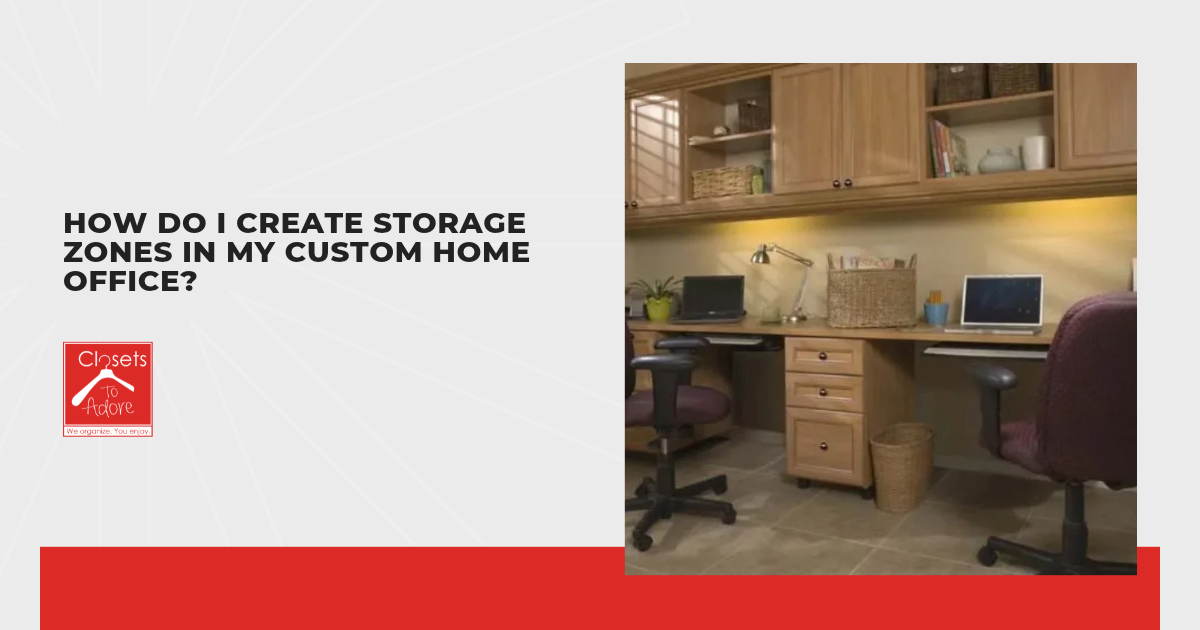
Learn how to create storage zones in your custom home office with practical tips for organizing daily supplies, paperwork, equipment, books, and shared spaces.
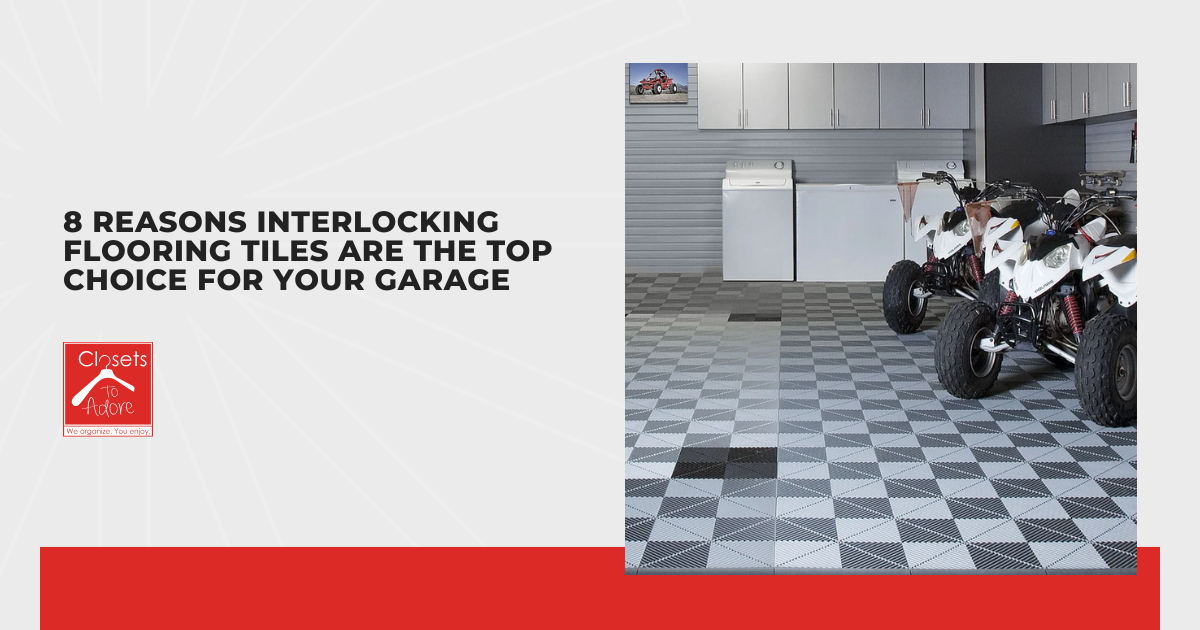
Garage floors take a beating that most other rooms in your house never see, from dripping oil to the constant weight of tires rolling in and out. Interlocking floor tiles solve that problem directly, giving your garage a surface built to handle exactly what it deals with instead of a floor meant for foot traffic alone. In my experience, cracked and stained concrete in a garage almost always comes down to the same root cause: a floor poured for a house, not for the vehicles and tools that actually live in your garage. Bridging that mismatch is where interlocking tiles come in. Snapping these tiles together takes a fraction of the time a poured or epoxy floor demands, since there's no adhesive, no curing time, and no need to clear out your garage for a week while everything sets. A tile built to handle a two-ton truck rolling over it daily holds up just fine against dropped wrenches, dragged toolboxes, and whatever else ends up on your garage floor. My take, after comparing this flooring against poured concrete and epoxy side by side, comes down to a few specific advantages that keep showing up no matter which garage I look at. Walking through each of those advantages makes it clear why this flooring keeps winning out over the alternatives. A handful of specific reasons explain why interlocking floor tiles hold up so well in a garage: Installation doesn't require adhesives or curing time Tiles hold up against heavy vehicle weight Damaged tiles can be replaced individually Interlocking tiles resist oil, chemicals, and stains Tiles provide better traction than bare concrete Flooring can be removed and reinstalled if you move A wide range of colors and patterns fits any style Tiles insulate against cold and reduce noise Take a look through these reasons, and see why so many garage owners make the switch.

Discover what determines the price of custom closet systems, from size and materials to hardware, installation, and add-ons, before getting your first quote.

Learn how to maintain your garage cabinets through every season with practical tips that help New Jersey homeowners prevent damage and extend cabinet lifespan.

Avoid common custom closet design mistakes with expert tips on layout, lighting, storage, measurements, and smart planning to create a space that works for you.
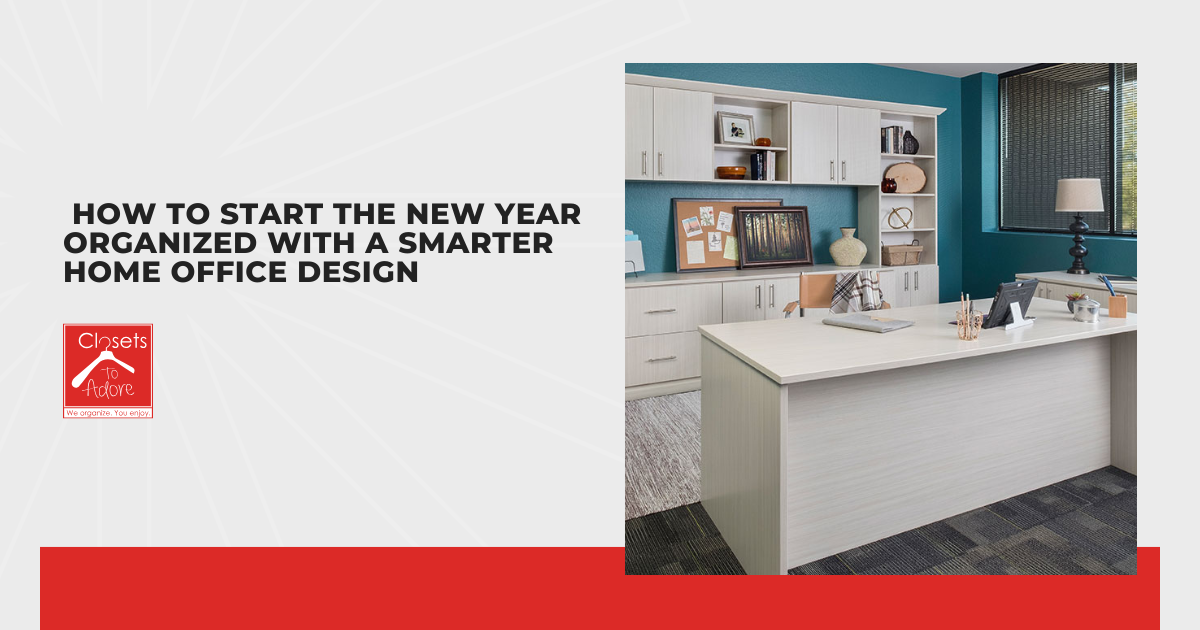
Start the year feeling organized and inspired with simple home office design tips that create focus, balance, and motivation for a smarter, productive workspace.
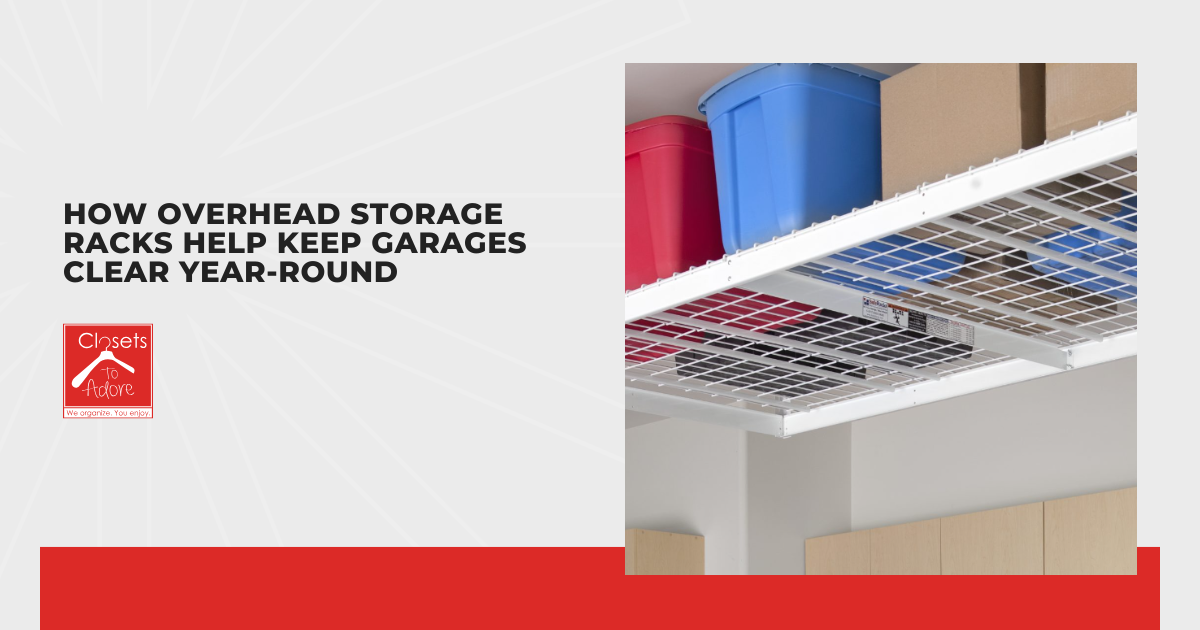
Discover how overhead storage racks keep your garage organized year-round by maximizing vertical space, improving safety, and simplifying seasonal storage.
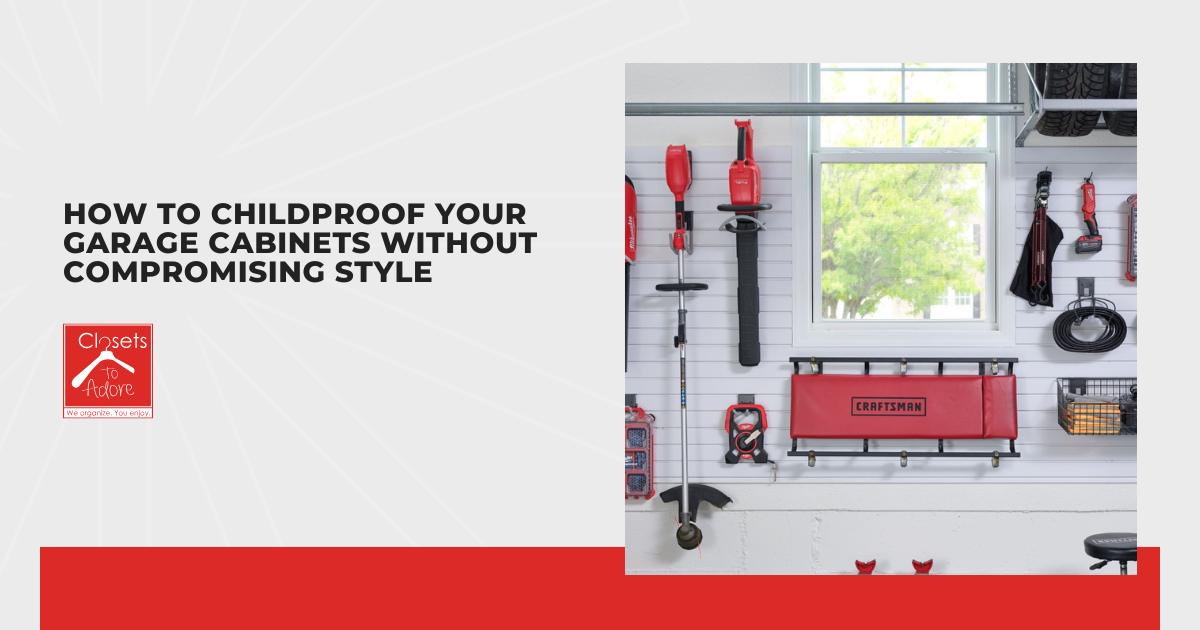
Discover practical ways to childproof your garage cabinets using safety features and design tips that keep your space secure while maintaining its stylish look.
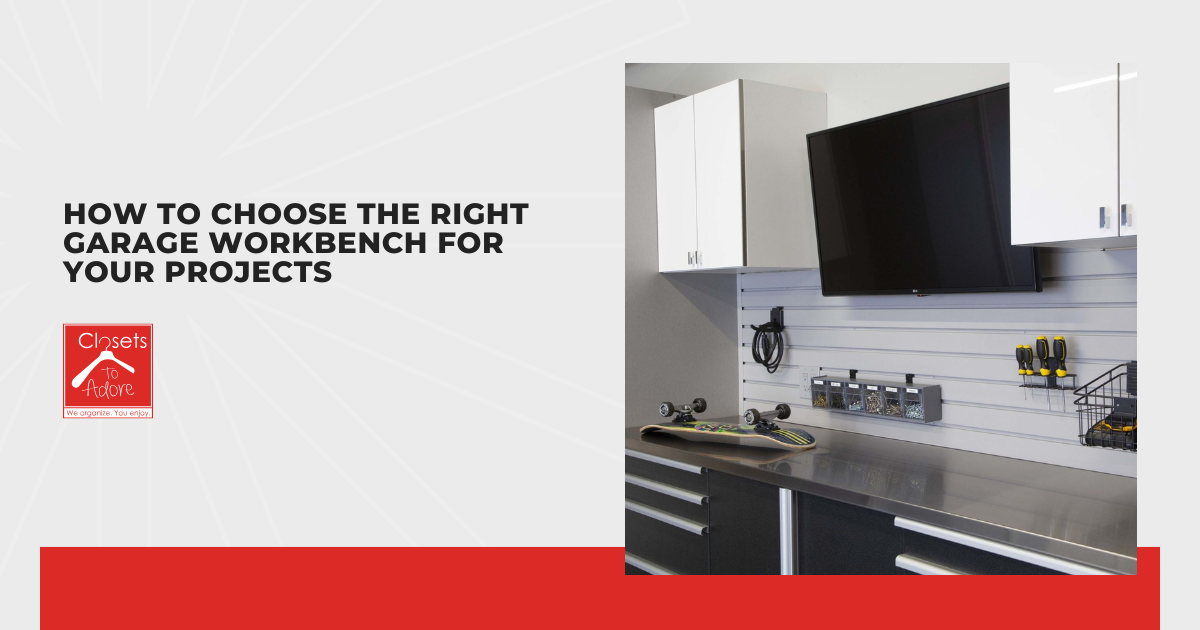
Find out what to look for in a garage workbench to match your workflow storage needs and project types so you can create a more efficient and organized space.